
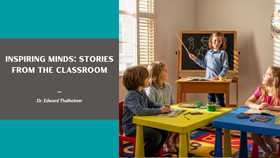
Classrooms are often seen as places of routine bells ringing, lessons delivered, assignments submitted. Yet beneath this structure lies something far more powerful. Every classroom is a space where young minds are shaped, confidence is nurtured, and futures quietly begin to take form. The true magic of education is not always found in grades or test scores, but in the stories that emerge through daily interactions between teachers and students. These stories remind us that teaching is not just a profession, but a profound human connection.
From moments of self-doubt to breakthroughs of understanding, classrooms are filled with experiences that inspire both learners and educators. They are places where challenges become opportunities and where small acts of encouragement can leave lifelong impressions.
Discovering Potential Beyond the Textbook
One of the most inspiring aspects of the classroom is witnessing hidden potential come to light. Not all students shine in the same way or at the same pace. Some may struggle to express themselves through traditional methods, while others may need time to build confidence before stepping forward. A thoughtful classroom recognizes these differences and creates space for every learner to grow.
Consider a student who struggles with reading aloud and avoids participation. On the surface, it may appear as a lack of interest, but with patience and observation, a teacher might discover that the student has a deep understanding of the subject when allowed to express ideas through writing or creative projects. By adjusting teaching strategies and valuing multiple forms of expression, educators can help students realize their own abilities.
These moments of discovery are powerful. When students feel seen and understood, they begin to believe in themselves. This belief often leads to increased engagement, willingness to take risks, and a stronger desire to learn. The classroom then becomes more than a place of instruction—it becomes a space of empowerment.
Teachers, too, are inspired by these transformations. Watching a student overcome self-doubt or achieve something they once thought impossible reinforces the importance of patience, empathy, and adaptability in education. It is a reminder that learning is not about perfection, but progress.
Lessons That Shape Character and Confidence
While academic knowledge is important, some of the most valuable lessons learned in the classroom go beyond textbooks. Classrooms are where students learn resilience after failure, teamwork through collaboration, and empathy by understanding diverse perspectives. These lessons shape character and prepare students for life beyond school.
A student who fails an exam may initially feel discouraged, but with the right guidance, that failure can become a lesson in perseverance. When teachers emphasize effort, reflection, and improvement rather than just results, students learn that setbacks are part of growth. This mindset builds confidence and resilience qualities essential for long-term success.
Group activities and discussions also play a vital role in shaping young minds. Through collaboration, students learn how to listen, communicate, and respect differing opinions. They discover that every voice matters and that learning is often richer when shared. These experiences foster a sense of belonging and mutual respect within the classroom.
Perhaps most importantly, classrooms teach students the power of encouragement. A simple word of praise, a supportive gesture, or genuine belief from a teacher can change how a student sees themselves. Many adults can trace their confidence or career choices back to a teacher who believed in them during a critical moment.
Inspiring Minds: Stories from the Classroom is a celebration of these everyday yet extraordinary experiences. It highlights the quiet impact of education, the moments that may never be recorded but live on in the hearts and minds of students. Classrooms are not just places where lessons are taught; they are where dreams begin, confidence is built, and futures are inspired. Through understanding, patience, and connection, educators continue to shape generations, one story at a time.
Dr. Edward S. Thalheimer is the President and Founder of The Tutoring Center® Franchise Corp. For our part, we here at The Tutoring Center® are continuing to provide one-to-one instruction combined with The Rotational Approach to Learning® to prevent children from slipping through the cracks academically. Our programs help children achieve long-term success, build concentration and focus, and, with our outstanding instructors, find the love of learning. Don’t let your child fall behind this school year. If you’re interested in learning more, or you are interested in opening The Tutoring Center® in your community and joining a team of more than 120 franchise locations nationwide, please visit our website at TutoringCenter.com