
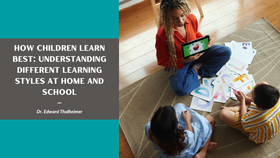
Children learn in a variety of ways, shaped by their experiences, environments, and individual preferences. Understanding how children engage with information can help parents and educators create supportive learning environments both at home and in school. While no single approach works for every child, recognizing general learning patterns can improve communication, engagement, and confidence.
This article explores common learning approaches and practical ways to support learning in everyday settings.
Recognizing Different Learning Approaches
Children often show preferences in how they absorb and process information. Some may respond well to visual materials, while others benefit from listening, movement, or hands-on activities. These approaches are not fixed categories but rather tendencies that may change over time or vary by situation.
Common learning approaches include:
- Visual learning, which may involve pictures, charts, diagrams, or written instructions
- Auditory learning, which often includes listening to explanations, discussions, or stories
- Hands-on or experiential learning, which focuses on learning through doing, building, or experimenting
Most children use a combination of these approaches rather than relying on just one.
Supporting Learning at Home
The home environment plays an important role in reinforcing learning. Parents can support learning by providing structure, encouragement, and opportunities for exploration.
Helpful strategies may include:
- Reading together and discussing stories
- Using visual aids such as calendars or charts for routines
- Talking through daily activities to build language and understanding
- Encouraging play that involves problem-solving or creativity
Providing a consistent routine can also help children feel secure and ready to learn. Simple activities, such as cooking, organizing, or playing games, can support learning in meaningful ways.
Supporting Learning at School
In school settings, educators typically use a range of teaching methods to address diverse learning needs. Lessons may combine visual materials, group discussions, written tasks, and hands-on activities to promote engagement.
Positive learning environments often include:
- Clear instructions and expectations
- Opportunities for participation and collaboration
- Feedback that supports growth and understanding
- Structured routines balanced with flexibility
When children feel supported and understood, they are more likely to remain engaged and motivated.
Understanding Individual Differences
Children develop and learn at different rates. Preferences for certain learning approaches may change as children grow or as academic demands evolve. Differences in learning styles are common and do not reflect ability or potential.
If parents or educators have concerns about a child’s learning progress, consulting with qualified educational or developmental professionals can provide guidance and clarity.
Conclusion
Understanding how children learn best involves recognizing individual differences and providing flexible, supportive learning environments. By using a variety of approaches at home and school, parents and educators can help children build confidence, curiosity, and a positive relationship with learning. A balanced and responsive approach allows children to engage with learning in ways that support their ongoing development.