
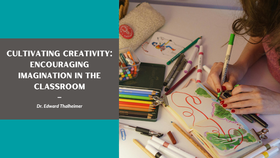
Creativity is a powerful skill that allows students to express themselves, explore new ideas, and develop confidence in their abilities. In the classroom, encouraging imagination helps students become more engaged and excited about learning. Rather than focusing only on right or wrong answers, a creative classroom invites students to think freely, ask questions, and discover their own unique perspectives. When teachers nurture creativity, they create an environment where learning becomes both meaningful and enjoyable.
Creating a Supportive Environment
A creative classroom begins with a supportive and welcoming atmosphere. Students need to feel comfortable sharing their thoughts without fear of being judged or criticized. When teachers encourage kindness, respect, and open-mindedness, students are more likely to take risks and express original ideas.
Simple actions can make a big difference. Praising effort instead of perfection, listening carefully to student ideas, and celebrating individuality all help build confidence. When students feel valued, they are more willing to participate and explore their creativity. A positive environment also encourages collaboration, where students can learn from one another and build on each other’s ideas.
Using Imaginative Activities
Incorporating imaginative activities into daily lessons is an effective way to spark creativity. Storytelling, role-playing, drawing, and creative writing are just a few examples of how students can express their thoughts in fun and engaging ways. These activities allow students to move beyond memorization and connect with the material on a deeper level.
For instance, students might create their own stories based on a lesson topic or act out scenes to better understand characters and situations. Even simple prompts like “What would happen if…?” can open the door to imaginative thinking. By giving students opportunities to create, teachers help them develop confidence in their ideas and abilities.
Encouraging Curiosity and Exploration
Curiosity is at the heart of imagination. When students are encouraged to ask questions and explore new ideas, they become more interested in learning. Teachers can support this by welcoming questions and showing enthusiasm for discovery.
Instead of always providing answers, teachers can guide students to think for themselves. Asking open-ended questions helps students consider different possibilities and develop their own viewpoints. Allowing time for exploration—whether through free writing, drawing, or discussion—also gives students the freedom to follow their interests.
When curiosity is encouraged, learning becomes an adventure rather than a task. Students begin to see that their ideas matter and that there are many ways to approach a problem or topic.
The Teacher’s Role in Fostering Creativity
Teachers play an important role in shaping a creative classroom. By acting as guides rather than strict instructors, they can inspire students to explore and experiment. Offering encouragement, providing helpful feedback, and giving students choices in their learning all contribute to a more creative environment.
Flexibility is key. Not every student learns in the same way, and allowing different approaches can help each student shine. Some may express themselves best through writing, while others may prefer drawing or speaking. Recognizing and supporting these differences helps students feel more confident and motivated.
Conclusion
Encouraging imagination in the classroom helps students grow into confident and expressive individuals. By creating a supportive environment, using imaginative activities, and nurturing curiosity, teachers can make learning more engaging and meaningful.
Creativity is not just about art or storytelling—it is about thinking in new ways and expressing ideas freely. When students are given the space to imagine, they develop skills that will benefit them in all areas of life. A classroom that values creativity is one where students feel inspired, capable, and ready to explore the world around them.