
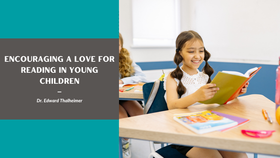
Fostering a love for reading in young children is one of the most valuable gifts parents and caregivers can offer. Reading supports language development, strengthens imagination, enhances concentration, and builds foundational skills for lifelong learning. More importantly, it opens doors to new worlds, ideas, and perspectives. When children associate reading with warmth, curiosity, and enjoyment, they are far more likely to carry that positive relationship with books into adolescence and adulthood.
Building this love does not require rigid lesson plans or advanced teaching techniques. Instead, it grows naturally through consistency, enthusiasm, and meaningful shared experiences. By creating an inviting environment, making reading interactive, and nurturing confidence, families can help children develop a genuine passion for books.
Creating a Positive Reading Environment
A child’s surroundings greatly influence their habits. When books are visible, accessible, and treated as special, children naturally gravitate toward them. Creating a small reading corner with comfortable cushions, soft lighting, and a shelf of age-appropriate books can make storytime feel cozy and inviting. Even a simple basket of books in the living room can spark spontaneous moments of reading.
Variety is key. Picture books, rhyming stories, alphabet books, and beginner readers each offer different benefits. Bright illustrations capture attention, rhythmic text supports language development, and simple stories help children build confidence. Rotating books occasionally can keep the selection fresh and exciting without needing to purchase new ones constantly.
Children also learn by example. When they see adults reading regularly—whether it’s novels, magazines, or recipes—they begin to view reading as a normal and enjoyable part of everyday life. Sharing your own excitement about a book or talking about an interesting story encourages children to see reading as something valuable rather than something they are required to do.
Establishing a daily reading routine further reinforces this habit. Bedtime stories are especially powerful because they combine comfort and connection. When reading becomes a predictable and cherished part of the day, children begin to look forward to it.
Making Reading Interactive and Fun
Young children thrive on interaction. Reading should feel like an engaging experience rather than a quiet task. Asking simple questions such as, “What do you think will happen next?” or “Which character do you like most?” invites children to think actively about the story. This not only strengthens comprehension skills but also makes them feel involved.
Using expressive voices, gestures, and facial expressions can bring characters to life. Children often delight in dramatic storytelling, and this playful approach helps maintain their attention. Encouraging them to repeat phrases, point to pictures, or act out parts of the story makes reading dynamic and memorable.
Repetition also plays an important role. While adults may crave variety, children often enjoy hearing the same story multiple times. Repeated readings build familiarity with words, improve memory, and boost confidence. Over time, children may begin to “read” along or recite parts of the story from memory, reinforcing their developing skills.
Another effective strategy is to align books with a child’s interests. If they love animals, choose stories about wildlife. If they are fascinated by trucks, space, or fairy tales, select books that reflect those passions. When children see their interests reflected in stories, they feel understood and excited to explore more.
Building Confidence and Lifelong Habits
Encouragement is essential in nurturing a lasting love for reading. Celebrate small achievements, such as recognizing letters, identifying familiar words, or finishing a book independently. Positive reinforcement builds self-esteem and motivates children to keep trying.
At the same time, it is important to keep the experience pressure-free. Correcting every mistake or focusing solely on performance can turn reading into a stressful activity. Gentle guidance and patience create a safe space for learning. When children feel supported rather than judged, they are more willing to take risks and challenge themselves.
Access to books outside the home can also strengthen enthusiasm. Visiting libraries allows children to explore new titles and choose books that interest them. Giving children the freedom to select their own reading material—even if it seems repetitive or simple—empowers them and fosters independence.
In today’s digital world, technology can complement traditional reading. Audiobooks and child-friendly reading apps can support vocabulary growth and listening skills. When used thoughtfully, these tools can add variety while still reinforcing literacy development.
Above all, consistency matters. Even just 10 to 15 minutes of daily reading can have a meaningful impact over time. The goal is not perfection but connection. Shared laughter over a funny story, quiet cuddles during bedtime reading, and animated discussions about favorite characters all contribute to positive associations with books.
Encouraging a love for reading in young children is about planting seeds that grow gradually. With patience, enthusiasm, and a nurturing environment, children can discover that reading is not simply a skill to master but a joyful adventure to embrace. When books become companions in their daily lives, children gain imagination, confidence, and a lifelong pathway to learning.